


Foil Slitter
Foil Slitter Key Features
A foil slitter is a machine or equipment designed for the purpose of slitting or cutting thin metal foils into narrower strips or rolls.
Precision Cutting
Foil slitters are equipped with advanced cutting mechanisms to ensure accurate and consistent cuts, meeting the strict tolerances required in many industries.
Adjustable Parameters
Users can often adjust parameters such as cutting width, speed, and tension, allowing for customization to specific production requirements.
Automation Capabilities
Some advanced foil slitters incorporate automation features, such as programmable controls and sensors, optimizing efficiency and reducing the need for manual intervention.
High-Speed Operation
Foil slitters are engineered for efficient and high-speed operation, enhancing productivity in foil processing lines.
Foil Slitter
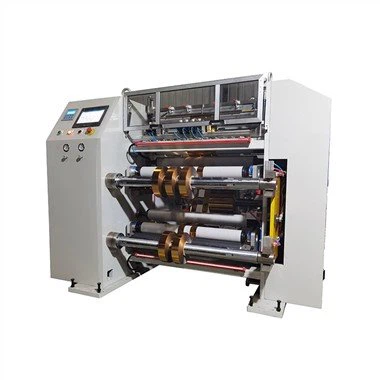
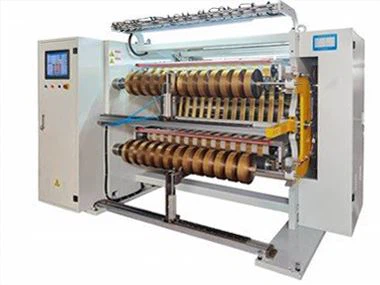
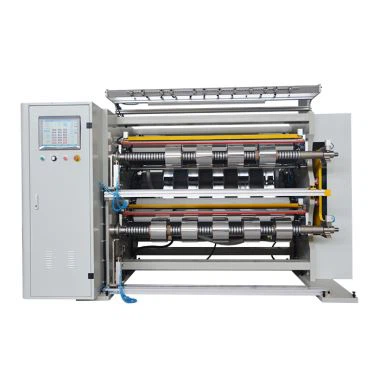


We are the only and best Chinese manufacturer who is devoted to producing slitter rewinder for hot stamping foils and cold foils. Our foil slitter rewinder has been exported to world top hot stamping foil manufacturers and converters, as like from: Germany, UK, Italy, France, Spain, Portugal, Holland, Switzerland, Poland, Russia, Israel, Iran, UAE, USA, Canada, Brazil, Argentina, Chile, Mexico, Colombia, Thailand, India, Indonesia, Algeria etc. Based on our plenty production experiences and feedback from customers' machine operators, our hot stamping foil slitter rewinders are optimized to cut perfect foil rolls.
Whether you need a dust free shear knife hot foil slitting machine or very narrow width razor blade slitting machine; automatic foil roll cutter and automatic core cutter, we have the right one to meet your requirements.
One-Stop Service
We promise to provide you with the fastest reply, the best price, the best quality, and the most complete after-sales service.
Customer Service
We earn your respect by delivering on time and on budget. We built our reputation on exceptional customer service. Discover the difference it makes.
Expertise And Experience
Our team of experts have years of experience in delivering high quality services to our clients. We hire only the best professionals who have a proven track record of delivering exceptional results.
Quality Assurance
We have a rigorous quality assurance process in place to ensure that all our services meet the highest standards of quality. Our team of quality analysts checks each project thoroughly before it is delivered to the client.
Foil Slitter
What is Foil Slitter
Aluminum foil slitting machine is one of the material slitting machines, which is usually most suitable for the slitting of thin paper, copper foil, aluminum foil, PVDC, and breathable film.Slitting machine is a kind of mechanical equipment that cuts wide paper, mica tape or film into multiple narrow materials. It is often used in papermaking machinery, wire and cable mica tape and printing and packaging machinery.
Benefits of Foil Slitter
Precision and Neatness
A Foil Slitter a clean and precise cut around the bottle's neck, ensuring that the foil is neatly removed without leaving jagged edges or tearing the foil.
Time-Saving
Using a foil slitter is much quicker than attempting to remove the foil manually with a knife or other makeshift tools. This convenience is especially appreciated during social gatherings or formal events.
Enhanced Aesthetics
The removal of the foil slitter the cork in an attractive manner, adding to the overall visual appeal of the wine bottle and enhancing the experience for you and your guests.
Preservation of Cork Integrity
A foil slitter design minimizes the risk of damaging the cork while removing the foil. Preserving the cork's integrity is crucial for preventing any potential contamination or deterioration of the wine.
What are the Applications of Foil Slitter

Packaging Industry
Foil slitter are indispensable in the packaging industry for cutting and resizing materials such as films, foils, and laminates used in packaging products.
Textile Industry
In the textile industry, Foil slitter are used to cut fabric rolls into narrower strips for sewing, quilting, and other textile applications.


Printing Industry
Foil slitter play a crucial role in the printing industry for cutting paper rolls into smaller widths for various printing processes.
Converting Industry
Foil slitter are widely used in the converting industry for converting large rolls of materials into smaller, usable rolls for further processing.

Types of Foil Slitter
Roll Slitters
These versatile machines incorporate a series of upper and lower pairs of precisely adjustable circular slitting blades along arbors or shafts. This creates multiple regulated slits along the width of the continuously fed metal strip.
Single/Double Slitter Re-winders
Rather than numerous slitters, these incorporate 1-2 pairs mounted in lateral slitting heads. After initially slitting into a specific number of strips, the metal is flattened and recoiled.
The Pneumatic Parts of Foil Slitter
Pneumatic cylinder
It is a power action device, which consists of a pneumatic cylinder, an electroplated shaft core, front and rear cover plates, a piston and an air seal. The gas seal is easy to wear, and there are O-type, Y-type, V-type and so on. When in use, if you notice that its actuation ability has decreased, it may be caused by damage to the air seal.
Detection method
Remove one end of the gas pipe of the cylinder and supply air to the other end, if gas leaks from the nozzle, it is determined to be caused by poor sealing. It can be disassembled to check whether the gas seal is damaged or other cylinder defects.
Speed control valve
Also known as throttle valve, a pneumatic element that controls the speed of the cylinder by adjusting the gas flow. The speed regulating valve is generally not easy to be damaged. If it is damaged, it may be caused by the rupture of the valve body or the damage of the twist.
Shuttle valve
The shuttle valve has two one-way and one one-way points, and there are three air inlets and outlets. When a relatively large pressure inlet is sensed, its actuating outlet pressure is displayed as a large pressure outlet, and the airflow inlet with a one-way valve is locked. This valve is usually used when the uncoiler is braked and the tension produces different pressures to act on the output port. Generally, the single-inlet check valve structure is used.
Pressure reducing valve
The pressure reducing valve is a device that locally reduces the system pressure or branch pressure in the system. The required pressure can be achieved by adjusting the adjustment knob. Its structure consists of a pressure gauge, a valve body, a spring, and a pressure reducing diaphragm. Usually, the failure or leakage of the pressure reducing valve is caused by the damage of the diaphragm.
Solenoid valve
It is a functional valve that completes the selection of gas passages by generating electromagnetic force when the solenoid coil is energized to push the valve core. Our commonly used valves are two-position three-way, two-position five-way, three-position five-way and so on.
Foil Slitter Features
Precision Cutting
Foil slitters are equipped with advanced cutting mechanisms to ensure accurate and consistent cuts, meeting the strict tolerances required in many industries.
Adjustable Parameters
Users can often adjust parameters such as cutting width, speed, and tension, allowing for customization to specific production requirements.
Automation Capabilities
Some advanced foil slitters incorporate automation features, such as programmable controls and sensors, optimizing efficiency and reducing the need for manual intervention.
High-Speed Operation
Foil slitters are engineered for efficient and high-speed operation, enhancing productivity in foil processing lines.
How to Choose Foil Slitter
Understand Your Material
Before diving into the selection process, it's essential to have a clear understanding of the material you will be processing. Different Foil Slitter are specifically designed to handle various materials, such as paper, film, or foil. Consider important factors like material thickness, strength, and roll diameter to ensure the chosen foil slitterr aligns perfectly with your material requirements.
Identify Your Required
Specifications Precisely identifying the specifications you need for your foil slitterr is crucial. Determine the desired width and length of the finished rolls, the number of cuts required, and the desired machine speed. These specifications will play a significant role in determining the most suitable type of foil slitterr to meet your production needs effectively.
Equipment Capacity Calculation
Accurate calculation of the equipment capacity based on projected output is paramount in selecting the perfect slitting machine for your production needs. Engage in detailed discussions with manufacturers, exploring various specifications, functionalities, and compatible solutions. Consider options such as increasing machine speed, enhancing automation levels, and minimizing manual intervention in operational processes. By precisely determining your capacity requirements, you can establish an efficient foil slitterr that ensures a favorable return on investment. This strategic planning also minimizes the potential for future equipment replacement or upgrade needs, leading to substantial cost and time savings for your business.
Choose a Reliable Manufacturer
Selecting a reputable and reliable manufacturer is of utmost importance when investing in a foil slitterr. Look for manufacturers with a proven track record, extensive industry experience, and positive customer reviews. Additionally, inquire about their after-sales support and warranty policies to ensure you receive the necessary assistance and service throughout the equipment's lifespan.
Process Of Foil Slitter
Check and prepare
Make sure the aluminum foil slitting machine is in normal working order, check whether the blade is in the correct position and whether all parts of the machine are normal.
Adjust machine parameters
Adjust the machine parameters according to the actual situation, including cutting speed, cutting angle, sealing speed and pressure, etc., which can usually be adjusted through the control panel on the machine or manual operation. twenty three
Feeding
Place the aluminum foil to be cut on the loading rack and adjust the position of the knife so that it just covers the edge of the aluminum foil.
Set cutting length
Set the cutting length according to actual needs, and ensure that the length of each cutting is consistent to ensure the precise size of the aluminum foil.
Start cutting
After confirming that all machine parameters are set, press the start button to let the machine start cutting automatically.
Collect finished products
After the machine completes cutting, remove the aluminum foil and collect it. It should be noted that sharp and hard tools cannot be used when collecting the aluminum foil to avoid damaging the aluminum foil.
Lubrication and maintenance
Lubricate regularly to ensure smooth operation of the machine. Lubricated parts include gears, guide wheels, sliders, tool holders, etc.
Safe operation
Wear work clothes and gloves when operating, protect your hands and body to prevent accidental injuries, ensure the size of the required cutting materials, and avoid waste and impact on work efficiency.
Cleanup and shutdown
After completing the operation, the equipment and working area need to be cleaned and kept tidy. Before shutting down, move the cutting blade to a safe location to avoid personal injury.
How to Maintain Foil Slitter
Establish a Regular Maintenance Schedule
One of the most important steps in maintaining a foil slitterr is establishing a regular maintenance schedule. This schedule should include daily, weekly, monthly, and annual tasks, such as cleaning, lubrication, inspection, and calibration. It's important to follow the manufacturer's recommendations for maintenance against the user manual and record all activities in a logbook.
Keep the Machine Clean and Lubricated
Keeping the foil slitterr clean and properly lubricated is crucial for its longevity and performance. Dust, debris, and contaminants can accumulate in various parts of the machine, such as the rollers, blades, and bearings, and cause damage or wear. Regular cleaning with a soft brush, vacuum, or compressed air can help remove these particles. Lubrication should also be done according to the manufacturer's instructions, using the recommended type and amount of oil or grease.
Check the Tension and Alignment of the Web
The tension and alignment of the web, or the material being slit and rewound, can affect the quality and consistency of the finished product.Foil slitterrs have various mechanisms for controlling web tension and alignment, such as dancer arms, load cells, and edge guides. It's important to check these mechanisms regularly and adjust them as needed to maintain proper tension and alignment.
Monitor the Blade Sharpness and Wear
The blades of a foil slitterr are critical components that determine the quality and precision of the slitting process. Over time, the blades can become dull, chipped, or worn, which can result in poor cuts, ragged edges, or material jams. It's important to monitor the blade sharpness and wear regularly and replace them when necessary. Some foil slitterr have automatic blade sharpening systems, which can save time and ensure consistent sharpness.
Diagnose and Troubleshoot Issues Promptly
Despite proper maintenance,Foil slitterr may experience occasional issues, such as material wrinkles, web breaks, or machine malfunctions. It's important to diagnose and troubleshoot these issues promptly to avoid further damage or downtime. Some common troubleshooting steps include checking the web tension, examining the blade sharpness, inspecting the rollers, and analyzing the electrical or mechanical components. If the issue cannot be resolved, it's recommended to consult the manufacturer or a qualified technician.
Our Factory
We are the only and best Chinese manufacturer who is devoted to producing slitter rewinder for hot stamping foils and cold foils. Our foil slitter rewinder has been exported to world top hot stamping foil manufacturers and converters, as like from: Germany, UK, Italy, France, Spain, Portugal, Holland, Switzerland, Poland, Russia, Israel, Iran, UAE, USA, Canada, Brazil, Argentina, Chile, Mexico, Colombia, Thailand, India, Indonesia, Algeria etc. Based on our plenty production experiences and feedback from customers' machine operators, our hot stamping foil slitter rewinders are optimized to cut perfect foil rolls.
FAQ
HANSOAR is one of the leading China foil slitter manufacturers and suppliers, exporting cheap price foil slitter to USA, Mexico, Colombia, Costa Rica, South Africa etc. Welcome to contact our factory for details.
aluminium foil slitter rewinder, Turret Slitter Rewinder, laminated film slitter rewinder machine